




FAQs2026-05-05T18:40:59+00:00

Serving Indiana’s FutureHomesBusinessesCommunities

Thank you for your interest in Indiana’s energy industry. We’ve compiled these frequently asked questions to provide clear and concise answers to the questions Hoosiers have about our industry.

Whether you’re a homeowner, business owner, policymaker, or simply curious about how energy works in our state, this resource is designed to help you better understand the industry that drives Indiana.

For additional data and insights on energy trends, visit:

Utility Industry 101

What is the Indiana Energy Association?2026-05-04T16:43:27+00:00

The IEA is a non-profit trade association representing the state’s investor-owned electric and natural gas utilities. Our members provide energy to millions of Hoosiers and work to ensure reliable, affordable service while supporting economic growth across Indiana.
Our association is here to serve as a resource and provide factual information about the industry and efforts the utilities are undertaking to help their customers.

Where does my electricity come from?2026-04-10T18:31:18+00:00

Electricity in Indiana is generated from a diverse mix of resources, including coal, natural gas, nuclear, renewables, and battery storage. The electric system includes three main parts:

  • Generation (producing electricity)
  • Transmission (moving power across long distances), and
  • Distribution lines (delivering electricity to homes and businesses)
Where does my natural gas come from?2026-04-10T18:33:07+00:00

Natural gas is produced in other regions and transported to Indiana through interstate pipelines. From there, it moves into intrastate pipelines that deliver natural gas directly to homes and businesses. Gas utilities purchase gas from these pipelines and store it underground, this ensures both adequate supply and lower costs for customers during winter months.

Billing & Affordability

What should I do if I am struggling to afford my bill?2026-04-10T18:32:11+00:00

We understand many families are facing higher costs, and utilities are committed to helping customers find solutions and stay connected. Just like Hoosier households utilities are facing the same rising costs but we are committed to keeping bills affordable
If you are having difficulties paying your bill, the most important step is to contact your utility company as soon as possible. Utilities offer a variety of programs designed to help customers manage costs and avoid service disruptions. Depending on the situation, assistance may include:

  • Payment plans that spread balance out over time
  • Levelized billing programs that help smooth out seasonal spikes
  • Energy efficiency and weatherization programs that help reduce monthly usage and lower bills
  • Energy assistance programs, including state and federal support such as the Low-Income Home Energy Assistance Program
What factors are impacting my bill?2026-04-10T18:32:25+00:00

Several factors are contributing to high energy costs both in Indiana and nationally, including:

  • Aging infrastructure is a major cause of rising bills. Much of the electric grid was built decades ago and must be repaired, replaced, or upgraded to continue delivering safe and reliable power. Maintaining and updating this infrastructure helps prevent outages and ensures the system can continue serving homes and businesses.
  • Increased costs for materials and labor has been another major factor. The cost of materials like transformers, poles, wires, and other equipment, along with the skilled workforce needed to install and maintain them, has increased significantly in recent years. These challenges are industry-wide not just specific to Indiana.
  • Investments to modernize and strengthen the grid
  • Growing electricity demand

Any proposed rate increase must be reviewed and approved by the Indiana Utility Regulatory Commission.

Why does my bill fluctuate in the summer and winter?2026-04-10T18:32:37+00:00

Seasonal bills typically change due to energy usage. During extremely hot summers or cold winters, heating and cooling systems must run longer to maintain indoor temperatures, which increases consumption. Many utilities offer online usage trackers and year-over-year comparisons to help customers monitor their energy use. The cost of fuel is another component of your bill, as natural gas prices fluctuate your bill reflects that.

How does Indiana compare to other states when it comes to electric and natural gas prices?2026-04-10T18:34:59+00:00

Indiana remains competitive on energy costs:

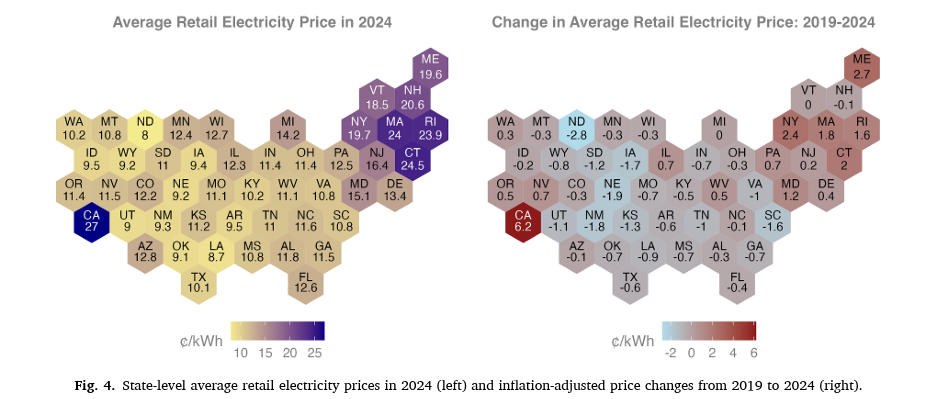
  • Indiana has the lowest residential electricity prices among Great Lakes states.
  • The state ranks 9th lowest nationally for residential gas prices.
  • A study by Lawrence Berkeley National Laboratory found Indiana’s electricity prices grew slower than inflation between 2019 and 2024.

At the same time, we recognize recent increases have created affordability challenges for many families, and utilities are working with regulators and stakeholders to manage costs while maintaining reliability.

Why does it cost so much to invest in infrastructure?2026-04-22T17:10:20+00:00

Utilities invest in infrastructure to ensure energy service is safe, reliable, and available 24/7. Maintaining power plants, pipelines, power lines, and modern grid technology requires significant long-term investment. Because these projects affect customer bills, major investments must be reviewed and approved by state regulators to ensure they are necessary and cost-effective. By investing in infrastructure utilities are also working to improve reliability and prevent outages. When the grid has the newest technology available it will be able to withstand more inclement weather and demand.

Why do costs vary between different utilities?2026-04-22T17:49:23+00:00

Energy costs vary by utility because utilities serve different regions with different system needs. Factors that can affect costs include:

  • The types of energy resources used
  • The size and age of the system
  • Population growth and electricity demand
  • Weather and system reliability needs

All major costs and investments are reviewed by state regulators.

Regulation

Are all utilities regulated?2026-04-10T18:33:55+00:00

No. Not all utilities are regulated by the state. However, the Indiana Utility Regulatory Commission (IURC) regulates investor-owned utilities meaning that all IEA companies are regulated.

What does it mean to be a “regulated” utility?2026-04-10T18:34:11+00:00

Being regulated means a utility’s rates, investments, and service standards are reviewed and approved by the Indiana Utility Regulatory Commission through formal, public proceedings. All Indiana utilities must also follow numerous regulations from the federal government. During these proceedings, consumer advocates and other stakeholders participate. There is also opportunity for public comment.

Why don’t I have an option in what utility serves me?2026-04-10T18:35:25+00:00

Utilities are assigned geographic service territories so one company is responsible for building, maintaining, and safely operating the electric or natural gas system in a given area. In exchange, that utility is highly regulated to ensure rates are just and reasonable and service is reliable.

Would my rates go down if I got to choose a different supplier?2026-04-10T18:35:51+00:00

No, not necessarily. Studies have shown that customers in some deregulated states have paid higher prices and experienced greater volatility. This is further demonstrated by the maps below. Competitive states align with higher retail electricity prices.

Economic Development

What happens if we don’t invest in economic development?2026-05-05T13:34:26+00:00

Utilities are rooted in the communities they serve, working to support local goals for job creation, business growth, and long-term economic stability. When that investment and growth don’t occur, this can lead to:

  1. Flat or declining load: fixed costs are spread over fewer customers which puts upward pressure on rates
  2. Loss of major employers: when businesses leave, so do jobs and tax dollars which creates instability in the local economy
  3. Less investment in infrastructure: growth often leads to grid upgrades that benefit everyone, given the improved economics of that long-term infrastructure investment
How does economic development affect me?2026-05-04T19:55:01+00:00

recent study by The Lawrence Berkeley National Laboratory found that “states with the highest load growth experienced reductions in real prices, whereas states with contracting loads generally saw prices rise.” When utilities support economic development and growth of new and existing businesses, they are supporting investment and jobs in the communities they serve. It also puts downward pressure on rates for all customers.

For example, Indiana Michigan PowerNIPSCO, and AES Indiana have collectively announced billions of dollars of savings flowing back to customers due to new, large customers coming onto their systems.

How do utilities support local communities?2026-05-04T18:03:27+00:00

Utilities contribute to communities through charitable giving, volunteer efforts, and support to non-profit organizations using shareholder or private dollars. They also play a major role in economic development, helping attract new and retain existing businesses and jobs.

Go to Top